
About OASIS-S
Our Team
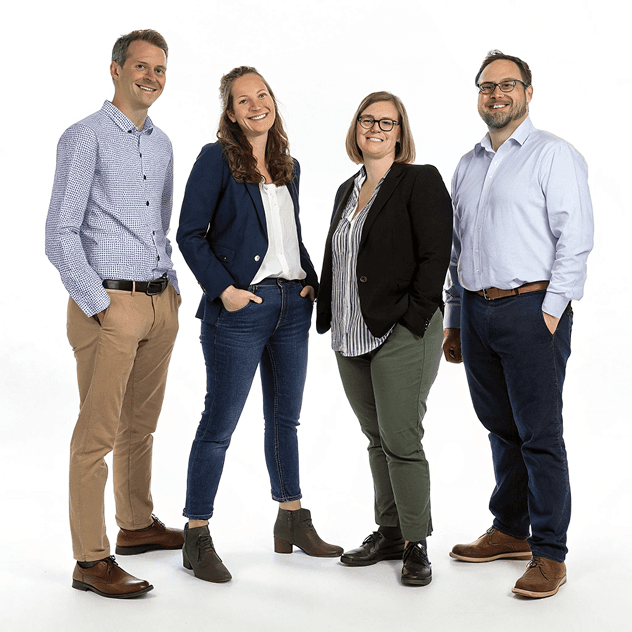
Led by experts in behavior analysis, software development, and compliance, we understand the challenges faced by aspiring BCBAs, supervisors, and organizations. We built this platform to solve real-world problems through seamless technology.
Who We Are
We are a dedicated team committed to improving how supervision is conducted, experienced, and evaluated. OASIS-S was created by professionals who understand the challenges supervisors and trainees face in real-world training environments and who recognize the importance of clear expectations, consistent evaluation, and actionable feedback.
Our Mission
Our mission is to improve the quality, consistency, and impact of professional supervision. We believe supervision should support measurable skill development, clear expectations, and meaningful feedback. OASIS-S exists to help supervisors and organizations implement structured supervision processes that strengthen learning, support growth, and promote professional confidence.
Our Vision
Our vision is to become a trusted platform for structured supervision that supports professionals across settings and training levels. We aim to help organizations establish supervision practices that are transparent, reliable, and focused on real skill development.
Our Core Values

Accessibility
Supervision tools should be easy to use, practical, and accessible across training environments.

Clarity
Clear expectations and observable criteria support fair evaluation and meaningful feedback.

Consistency
Reliable supervision processes help ensure that performance is evaluated using comparable standards across supervisors and sessions.
The OASIS Framework
The OASIS Framework for Structured Supervision serves as the conceptual foundation of the platform. It defines supervision as a continuous cycle composed of observation, evaluation, feedback, reflection, and adjustment. Rather than viewing supervision as a single event or isolated interaction, the framework organizes it as a repeatable process that supports measurable skill development over time.
By grounding supervision in observable performance and defined criteria, the framework helps ensure that evaluation is consistent, feedback is meaningful, and progress is visible. This structured model supports supervisors in providing clear guidance while helping supervisees understand expectations and refine their performance.


Why OASIS-S Was Created
Supervision plays a central role in professional training, yet many supervision systems rely on informal observation, subjective evaluation, and inconsistent feedback. These challenges can make it difficult for supervisors to explain decisions clearly or for supervisees to understand how to improve.
OASIS-S was developed to address these challenges by providing a structured supervision system that supports reliable observation, consistent evaluation, and actionable feedback. The goal is not to replace professional judgment, but to strengthen it by supporting supervisors with tools that promote clarity, consistency, and transparency.
Our Approach to Supervision
Effective supervision balances structure with flexibility. Structure provides clarity, fairness, and consistency. Flexibility allows supervisors to respond to individual learners, contexts, and goals. OASIS-S is designed to support both.
Our approach emphasizes observable performance rather than general impressions, defined criteria rather than subjective interpretation, and actionable feedback rather than abstract commentary. This helps transform supervision from a routine requirement into a meaningful professional development process.

Our Team

Clinical Leadership
Dr. Linda Heitzman-Powell CEO
Dr. Linda Heitzman-Powell, Ph.D., BCBA-D is a licensed psychologist, doctoral-level Board Certified Behavior Analyst, researcher, and clinical leader whose career has focused on expanding access to evidence-based autism and developmental disability services through research, training, and system innovation.
She currently serves as Director of Community Research for the Kansas Center for Autism Research and Training (KCART) and holds faculty appointments within the Department of Developmental and Behavioral Pediatrics at the University of Kansas Medical Center, where she contributes to research, training, and clinical program development.
Dr. Heitzman-Powell has been involved in autism research and professional training for more than two decades, with a strong emphasis on translating behavioral science into practical, scalable interventions for families, practitioners, and community systems.
Clinical and Research Expertise
Her professional work bridges research, clinical practice, and community implementation. She specializes in:
- Autism spectrum disorder and developmental disabilities
- Applied behavior analysis–based interventions
- Clinical assessment and diagnosis
- Caregiver and provider training
- Dissemination of evidence-based practices in underserved regions
She completed doctoral training in Developmental and Child Psychology at the University of Kansas and received extensive supervised clinical experience within the university’s Child Development Unit, where she developed expertise in autism assessment and intervention.
Leadership and System Impact
Dr. Heitzman-Powell is widely recognized for her work expanding access to autism services, particularly for families living in rural or underserved areas. She has been a strong advocate at both state and national levels for policies that improve access to behavioral health services and autism treatment.
She is the founder of Integrated Behavioral Technologies (IBT), an organization established in 2002 to address the lack of autism services across Kansas. Under her leadership, IBT grew from a small provider group serving a handful of families into a statewide network employing dozens of clinical staff and delivering services across home, school, clinic, and community settings.
Her advocacy efforts have also contributed to legislation related to autism service access, including involvement in policy initiatives such as state autism waiver and insurance mandate efforts.
Innovation in Training and Telehealth
Dr. Heitzman-Powell has been a pioneer in technology-enabled training models. She co-developed the OASIS (Online and Applied System for Intervention Skills) program, a research-based training platform designed to teach caregivers and professionals how to implement behavioral intervention strategies.
OASIS was developed specifically to address delays in access to services following diagnosis and to provide structured training even when specialists are not locally available.
Her work has demonstrated that structured remote training combined with feedback can effectively teach evidence-based intervention strategies, improving outcomes for children while empowering families and practitioners.
Advocacy and Professional Service
Beyond research and clinical practice, Dr. Heitzman-Powell has contributed to broader systems of care through policy and professional service. She has served on state-level autism task forces and collaborates with multidisciplinary teams focused on improving access, training, and service delivery across populations.
She has also participated in national initiatives and clinical committees focused on expanding evidence-based care for individuals with autism and intellectual or developmental disabilities.
Philosophy and Professional Approach
Throughout her career, Dr. Heitzman-Powell’s work has centered on a consistent principle: evidence-based practices should be accessible, understandable, and usable by the people who need them most. Her research, training programs, and system-level initiatives are all designed to translate behavioral science into practical tools that support real-world learning and development.
OASIS-S Clinical Development Team
The OASIS-S Clinical Development Team includes experienced supervisors, clinicians, and training specialists who collaborate to design tools that support structured supervision. The team’s work focuses on translating best-practice supervision principles into practical systems that can be used across real-world training environments.
Our Commitment

We are committed to advancing supervision practices that are clear, consistent, and development-focused. By providing structured tools grounded in professional standards, OASIS-S supports supervisors, organizations, and trainees in building skills that translate into confident and effective practice.
Supervision shapes professional growth.
Our goal is to support it with clarity, structure, and purpose.